Shippers and truckers transact directly — bids, escrow, and payment settled on-chain in USDC. No brokers. No factoring. No waiting.
How It Works
Set the origin, destination, rate, and pickup window. Deposit 5% of the rate into smart-contract escrow to confirm intent.
Carriers place competitive bids. The shipper picks one and escrows the full payment. The trucker locks in with a matching 5% commitment — skin in the game on both sides. Parties work together from here on out.
Proof of delivery triggers automatic USDC release from escrow to the trucker's wallet. No invoice. No net-30. No factoring.
Built For Both Sides
No 20% broker cuts. No chasing invoices. Know exactly what the Shipper is paying, treat them right, and collect USDC within 24 hours of confirmed delivery.
See the flow →Post a load in seconds. Know your carrier and save money doing it. Help clean up the freight industry and ensure more reliable and professional service for you with our unique, visible-to-all ratings system.
See the flow →The objection to crypto isn't really about digital versus physical — that battle was decided decades ago. The real question is whether you control your money, or someone else does.
When was the last time money physically moved in one of your business transactions? Your bank sends an ACH. Checks clear electronically. Fuel cards post to an account. At every step, what moves is a number in a database — a record on a centralized server you have no control over.
The cash economy, for commercial freight, is already gone. You're living in a digital financial system right now, whether the word "crypto" makes you comfortable or not.
"When you write a check, no cash moves. A number changes in a database. You're already in the digital economy — you just didn't get to choose which one."
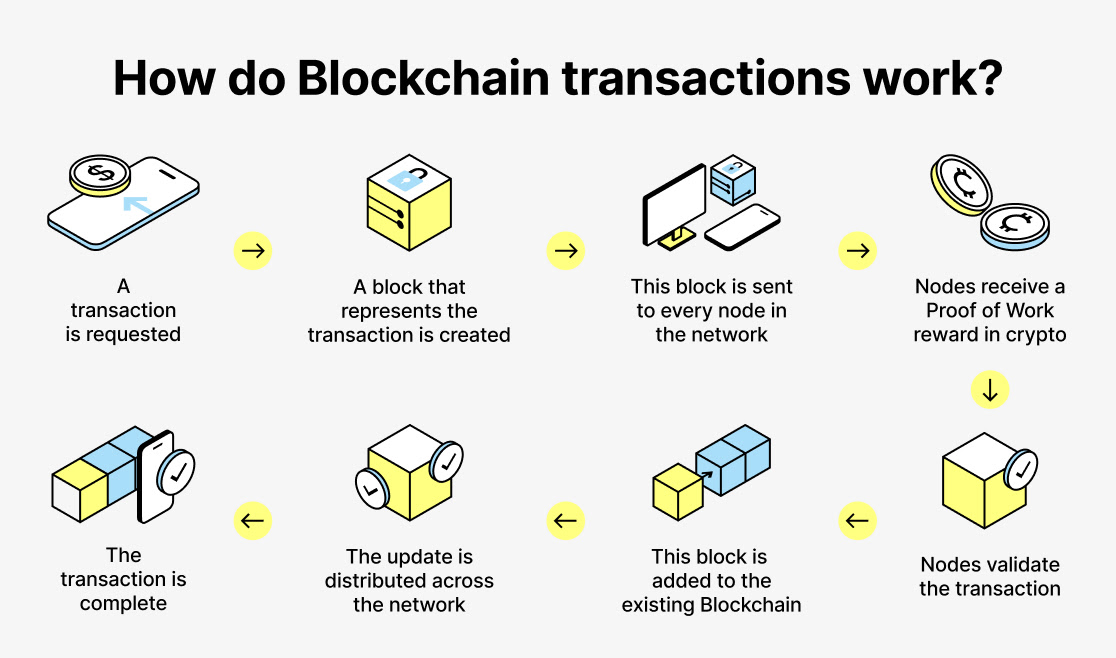
Every transaction on the blockchain is verified by a network of nodes (ie small, individual contributors) — no central authority required.
Every dollar in your account is a digital entry managed by an institution you have no influence over. USDC is still a dollar — pegged 1:1, — but it moves at the speed of the internet without asking a bank's permission. Funds commit to a load the moment it's posted and release automatically on verified delivery. No invoice chasing.
Drivers have watched factoring companies take 3% off every load just for the crime of needing payment before net-45. Self-custody crypto picks up the argument where sound money left it — a wallet whose keys only you hold, that no bank can freeze, no broker can delay. The funds move when you authorize them. Full stop.
The word "wallet" in crypto means something specific: a set of keys that proves you own funds at a given address on the blockchain. Nobody else has those keys — no bank, no broker, no platform. If you hold the keys, you hold the money.
"The digital economy isn't coming. It's here. The only thing still up for grabs is whether the digital money you earn sits in a system designed for you — or for the institutions that built it."
DecentralFreight is built so that drivers don't need to understand any of that to use it. The wallet is embedded in the app — it works like Venmo. But unlike Venmo, the funds are yours in a way that's cryptographically enforced, not just promised in a terms of service document that some legal team can rewrite.
"Normal" and "smart" are two very different things — and the difference becomes painfully clear the moment something goes wrong.
The moment a driver drops your freight, their clock is already running on the next expense. Your payment terms might be set to net-60 — and somewhere in that gap, a small carrier or a single owner-operator who bet everything on a used Peterbilt is quietly carrying your freight bill on their back.
"The trucker didn't factor your invoice because they wanted to. They did it because your payment terms left them no other choice."
That 2–5% factoring fee doesn't come from nowhere. It comes out of the margin that was supposed to keep a carrier's operation viable — multiplied across thousands of loads a year.
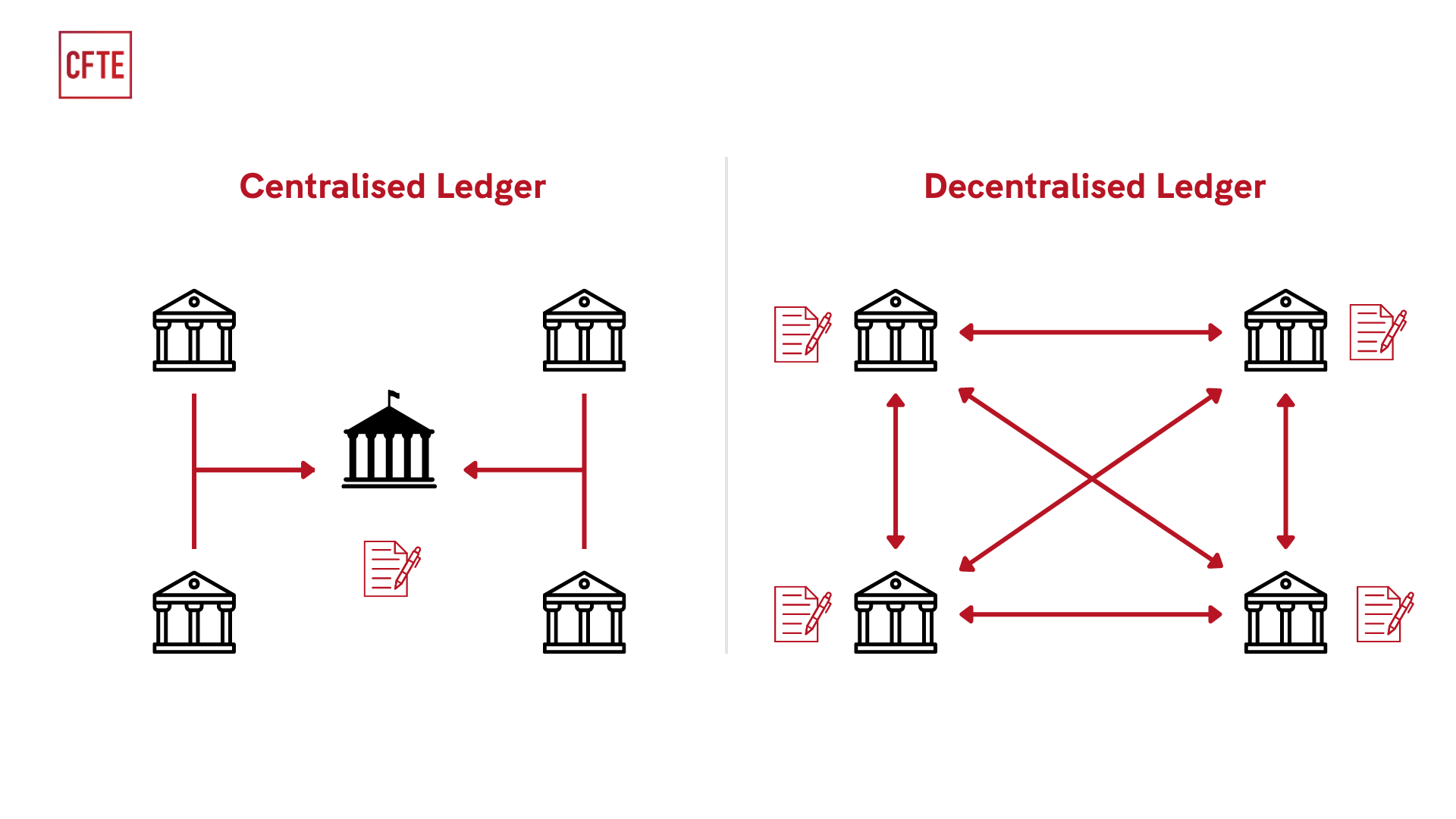
Centralized: payment routed through brokers and factoring companies, one gatekeeper, one cut. Decentralized: direct from shipper to carrier, settled by smart contract on delivery.
Every broker and factoring company in the chain is a centralized node — a single gatekeeper that can delay, skim, or freeze your payment...with DAT at the center of it all telling the market what the rates are. DecentralFreight removes them entirely.
"In an uncertain market, your payment history is your credit score with every carrier you've ever worked with — whether you know it or not."
Good carriers remember who treated them right. In a tight capacity environment, the shippers with a reputation for fast, clean payment get their calls answered first. The ones with net-60 terms get ghosted.
There's also a practical risk: when your own cash position is uncertain, carrying large deferred payables is a liability. Paying on delivery keeps your books clean and your obligations current.
"You and your staff work hard to produce and ship the products you provide to the world, the carrier earns their pay fighting reckless drivers, 60mph wind gusts, winter storms, rising fuel costs, and a once professional industry now flooded with cheap foreign labor that tarnishes stand-up players. Let's start encouraging the pros to return."
Net-30 and factoring aren't laws of physics — they're habits from an era of paper invoices and slow bank wires. That era is over. When a driver drops your freight and the BOL is signed, the job is done. Payment should happen the same way the delivery did: immediately, verifiably, without a middleman in between.
Get in Touch
DecentralFreight is live on Base Sepolia testnet and gearing up for full launch Summer 2026. Sign up now — you'll be first in line when we go live.
Get Early Access →